Safe Operations, International Compliance
Certification in the Mining Sector
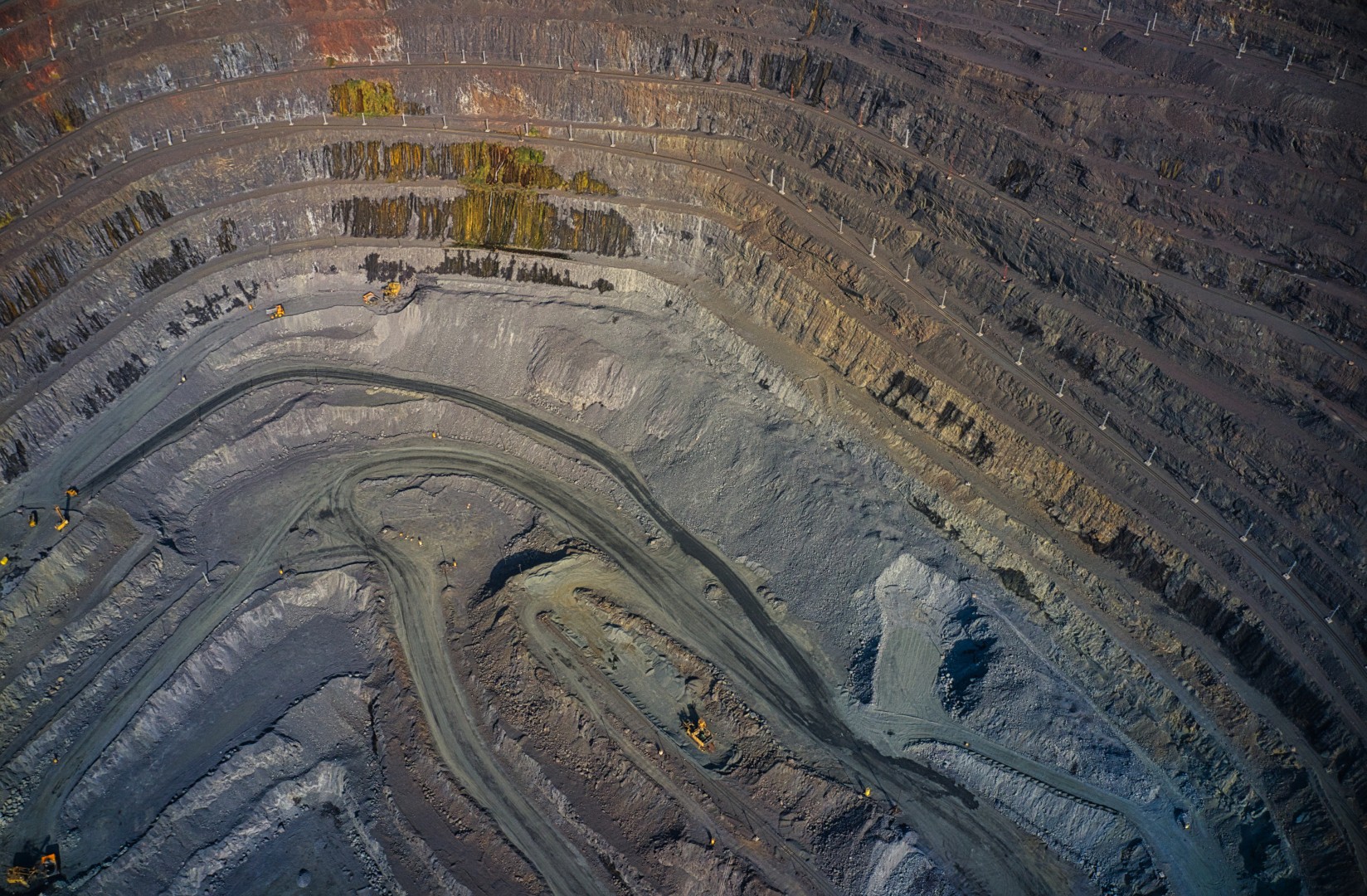
What is the Mining Sector?
It is a broad industry covering the extraction and processing of minerals, metals, coal, oil, natural gas and other valuable resources. The sector is divided into many sub-categories with different operating conditions and risk profiles.
Metal and Mineral Mining
Extraction of minerals and metals such as gold, silver, copper and iron from underground or surface deposits. Carries high environmental impact and occupational safety risk.
Coal Mining
Extraction of coal, which is important for energy and industry. Requires strict occupational health and safety systems due to the risk of dust and gas explosions.
Oil and Gas Mining
/ Supplies raw material to the energy and transport sectors. In this field, where operational continuity is decisive, environmental management standards come to the fore.
Stone Quarrying
/ Extraction of natural stones such as marble and granite for the construction sector. Export markets increase the demand for international quality certificates.
Valuable Minerals
Covers the extraction of salt, diamond, uranium, lead and zinc. Carries its own technical and environmental requirements, as well as heavy social responsibility obligations.
Potash Mining
It is a key link in the agricultural fertiliser supply chain; for this reason, it carries a distinct and strategic importance in terms of environmental standards.
Applied Standards
Certification Programs in the Mining Sector
To manage risks in your mining operations and protect your market share,
you certify the core standards the sector requires with an accredited body
ISO 45001 Occupational Health and Safety Management System Certification
ISO 45001 Occupational Health and Safety Management System Certification Bring your company to international standards…ISO 14001 Environmental Management System Certification
ISO 14001 Environmental Management System Certification Minimize your environmental impact, reduce your costs and comply…ISO 9001 Quality Management System Certification
ISO 9001 Quality Management System Certification Bring your company to international standards with ISO 9001…