
Global Fashion Agenda and ReHubs Unveil the 2030 Circularity Blueprint Targeting Textile Recycling
USB Certification supports the 2030 Circularity Plan developed by Global Fashion Agenda and ReHubs. Contribute to sustainability through GRS and RCS.
Global Fashion Agenda (GFA), in partnership with ReHubs, unveiled its 2030 Circularity Blueprint at the Global Fashion Summit held in Copenhagen on 6 May 2026. Aiming to accelerate textile-to-textile recycling and support the transition to a circular economy, the plan represents a coordinated initiative to raise the recycling rate for discarded garments, which still sits below 1%.
The Blueprint sets out a structured implementation pathway consisting of eight interconnected intervention areas designed to address systemic barriers within the textile ecosystem. Establishing a shared framework for circular and sustainable materials, developing a Textile Waste Intelligence Platform, and launching a Demand Signal Initiative for long-term offtake commitments are among the plan’s core systemic conditions.
GFA aims to build infrastructure supporting up to 2.7 million tonnes of textile recycling capacity by 2035, an effort estimated to require between €8 billion and €11 billion (approximately $9.4 billion) in investment. The plan also includes policy recommendations such as creating demand through public procurement, harmonised extended producer responsibility (EPR) schemes, and minimum requirements for recycled content.
GFA and ReHubs are calling on the entire value chain, from brands to recyclers and policymakers, to act together, citing the fact that recycled inputs sometimes cost twice as much as virgin materials as a key barrier. USB Certification continues to support stakeholders in the transition to a circular economy through the certification services it offers under standards such as the Global Recycled Standard (GRS) and the Recycled Claim Standard (RCS).
You may be interested in these topics (Newsletter & News)
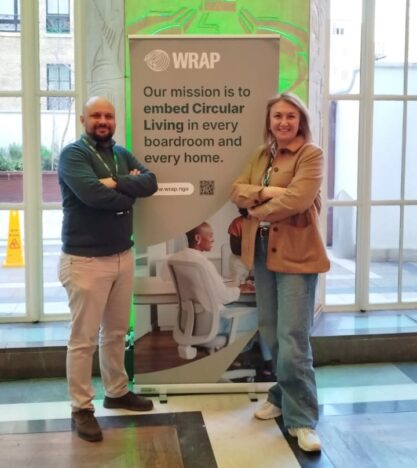
USB CERTIFICATION at Textiles2030 Circular Summit!
USB Certification is shaping the sustainable future of the textile industry at the Textiles 2030…
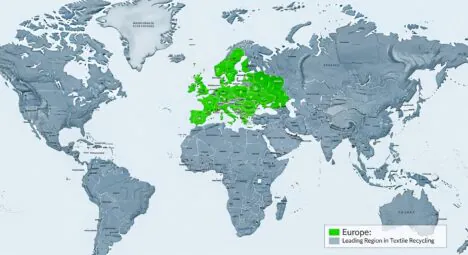
Global Textile Recycling Market to Reach $20 Billion by 2031
The global textile recycling market is growing. Contact USB Certification for sustainable fashion and circular…
Re-START Alliance Launches Its First Project to Scale Textil…
The Re-START Alliance has launched the Cluster Collective project, which scales up textile recycling. Discover…
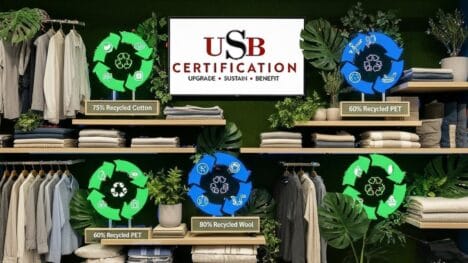
The Agenda for Recycled Content in Textile Products Is Gaini…
USB Certification helps textile companies in Europe meet the rising demand for recycled content. Learn…
Check Our Other Services
Textile Exchange
Obtain USB Certification and Textile Exchange certification. Validate your claims regarding organic, recycled, and responsibly…
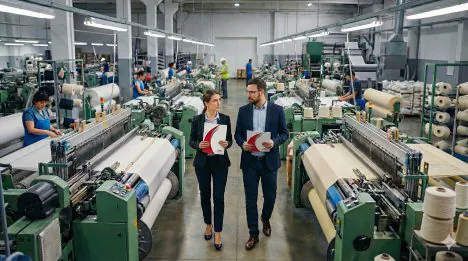
Textile and Recycling Certification
USB Certification offers textile and recycling certification services. Contact our team of experts to learn…

Textiles and Recycling
Boost your competitive edge with sustainability certification for textiles and recycling. Contact us for export-recognized…

Textile Exchange Materials Matter Standard
USB Certification supports sustainable raw material production and processing, aligning with the Textile Exchange Materials…