
IFS ESG Compliance Check
Sustainability has become more than just an ethical choice; it is now a strategic necessity for businesses. The IFS ESG Compliance Check is an innovative program that assesses the environmental, social, and governance (ESG) performance of small and medium-sized enterprises across all industries and guides them in improving their performance.
What Is the IFS ESG Compliance Check?
The IFS ESG Compliance Check is a validated self-assessment tool developed by International Featured Standards (IFS) to evaluate and guide companies’ sustainability management systems. The program thoroughly examines your company’s environmental impacts, social responsibilities, and governance processes. It is specifically designed to help small and medium-sized enterprises (SMEs) in the food sector gain awareness in the area of sustainability.

So, how do we put this requirement into practice?
Businesses document their current status by completing a comprehensive questionnaire. The auditor then reviews and verifies the responses, enabling the development of sustainability plans based on reliable data.
The Importance of the IFS ESG Compliance Check in the Food Industry
Food production and supply chains are of critical importance in ESG areas such as natural resource use, carbon footprint, workers’ rights, and transparent management.
The IFS ESG Compliance Check assesses a company’s status in these areas and provides roadmaps for improvement.
IFS ESG Compliance Check Process and Content
Results and Documentation
The IFS ESG Compliance Check is not a “pass/fail” system. The scoring system determines the levels: Beginner, Intermediate, and Advanced. The results are documented in a Letter of Confirmation and are valid for one year.
Data Collection and Validation
The auditor reviews the documents provided by the business and conducts on-site or remote verification. This step ensures the reliability and transparency of the data.
Self-Assessment
The company completes a self-assessment form in accordance with the IFS ESG Compliance Check requirements. In this form:
Topics such as the sustainability policy (
), management commitment (
), risk analysis and improvement plans (
), and supply chain transparency are covered.
Your First Step on the IFS ESG Compliance Check Journey: USB Certification
Strengthen your sustainability journey and make a difference in a competitive market.
Common Challenges and Solutions
The improvement plans developed during the ESG Compliance Check process minimize supply chain risks.
The Complexity of ESG Concepts:
Small and medium-sized businesses are struggling to understand the various regulations related to environmental, social, and governance issues.
Lack of Data Collection and Transparency:
Incomplete or scattered data required for ESG reporting increases supply chain risks.
Lack of Resources and Expertise:
Small businesses may lack the necessary human resources and technical expertise for ESG management.
Inadequacy of Risk Analysis and Preventive Plans:
Failure to systematically identify environmental and social risks complicates the compliance process.
Frequently Asked Questions
Check Our Other Services

Food and Consumer Product Certification
Ensure a safe supply chain from farm to shelf through food and consumer product certification.…
IFS Local Check
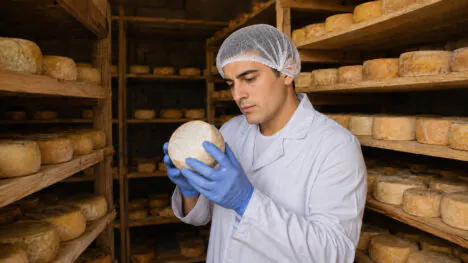
With IFS Local Check, we offer reliable verification solutions for small and medium-sized food producers.…
IFS – International Featured Standards
Ensure global compliance with IFS standards through USB Certification. Bring the quality of your products…
IFS Progress
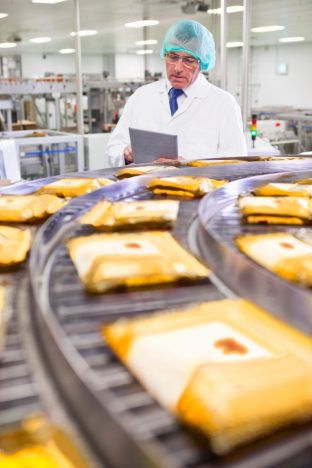
IFS Progress helps SMEs achieve food safety management. Contact us for internationally recognized certification.
You may be interested in these topics (Newsletter & News)
USB Certification Receives Full Marks in IFS Integrity Offic…
USB Certification aced the IFS Integrity Office Audit, proving our commitment to food safety. Contact…
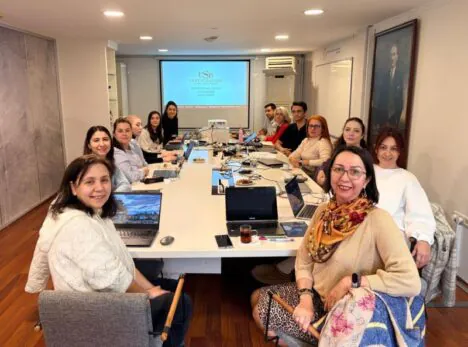
IFS In-house Training Successfully Completed
USB Certification has successfully completed the IFS In-House Training to improve audit and operational quality.…
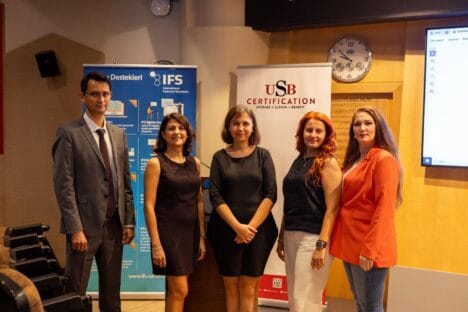
First Stop of IFS Food Standard and Applications Seminar Ser…
The first stop in the IFS Food Standard and Best Practices seminar series took place…

A New Era for Small Food Producers IFS Local Launched
Meet IFS Local, designed for small food producers. Boost your food safety capabilities and reach…