USB Certification Transitions to TÜRKAK Accreditation for BRCGS and IFS
USB Certification has become the first certification body accredited by TÜRKAK for the BRCGS and IFS certification programmes. Following the…
USB Certification has become the first certification body accredited by TÜRKAK for the BRCGS and IFS certification programmes. Following the…

Canopy, an environmental non-profit organisation, revealed in its report “From Wheat Straw to Wardrobes: Fashioning a New Fiber Future,” published…

Global Fashion Agenda (GFA), in partnership with ReHubs, unveiled its 2030 Circularity Blueprint at the Global Fashion Summit held in…

The European Union’s revised Waste Shipment Regulation entered full application as of 21 May 2026. The regulation, which subjects the…
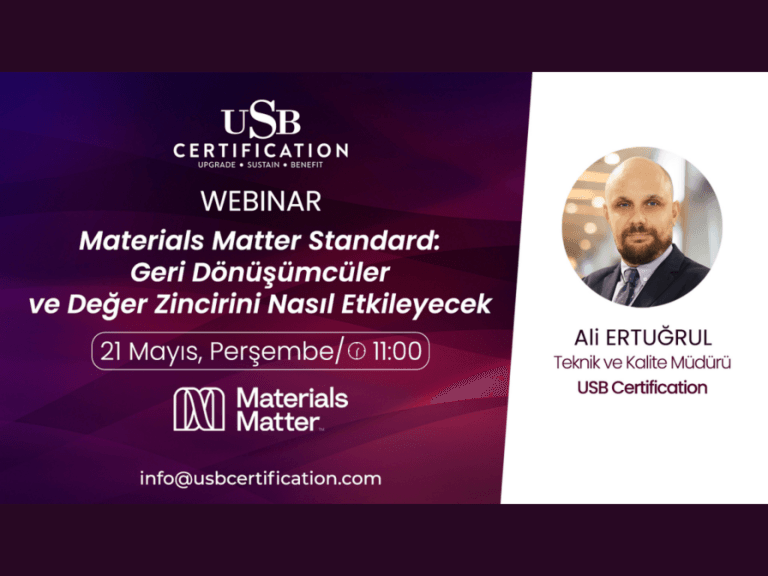
As USB Certification, on 21 May 2026 we held our free webinar addressing the effects of the Materials Matter Standard…
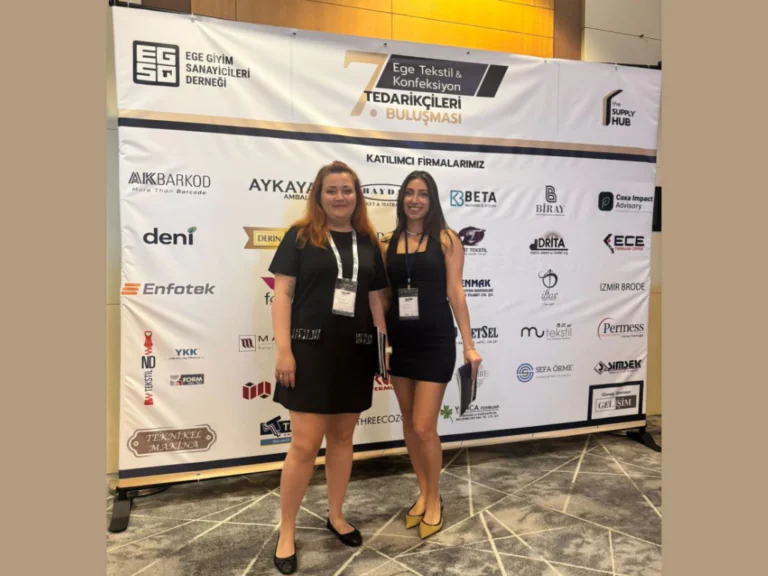
As USB Certification, we took part in the 7th Aegean Textile and Apparel Suppliers Meeting organised by the İzmir-based Aegean…
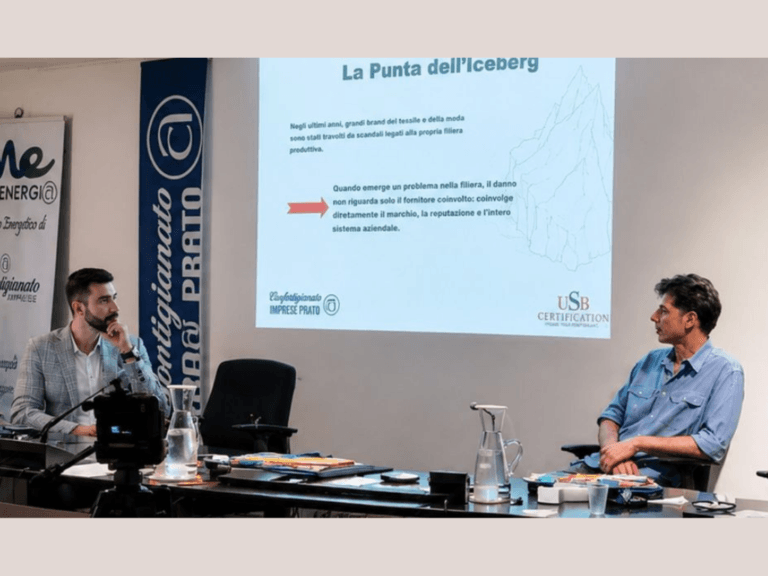
As USB Certification Italy, on 27 May 2026 we held an information session dedicated to the textile sector in Prato,…
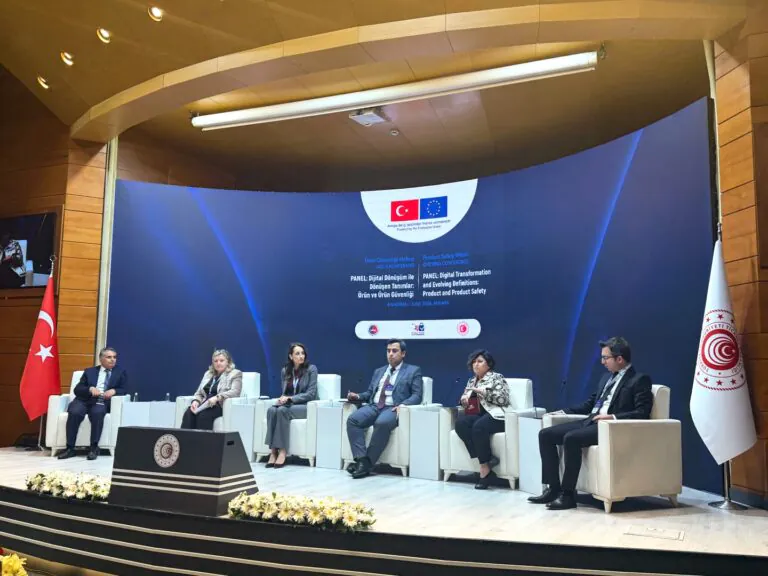
The theme of this year’s Product Safety Week is “Product Safety in the Digital Age” — a week aimed at…

The ISO 19011 :2026 “Guidelines for the Audit of Management Systems” standard published by the International Organization for Standardization (ISO)…
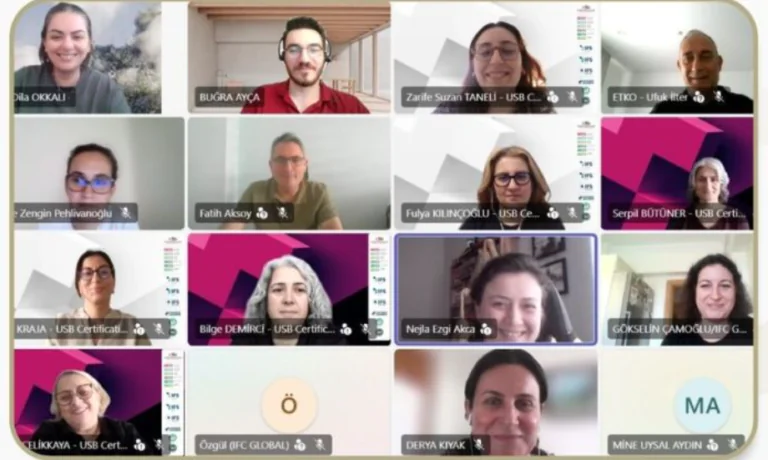
Our Food and Agriculture Certification Department, operating under the umbrella of USB Certification, successfully completed the Better Cotton Initiative Principles…
We provide certification, auditing, and testing in textiles, food, agriculture, management systems, and industrial products, against international standards. Our TÜRKAK and IOAS accreditations ensure the certificate we issue is recognized in the markets you export to.
You consolidate your audits in one organization and verify your transaction certificates instantly through USB Pruva. We’re beside you so you can start preparing today for the EU’s incoming sustainability legislation (ESPR, EPR, Digital Product Passport).
“Be part of the change now”
Tax Office/Tax Number:
Konak / 894 080 7094