Better Cotton Initiative Global Impact Report: 69% of BCI Farmers reduced synthetic nitrogen use
On 7 October 2026, World Cotton Day, the Better Cotton Initiative (BCI) published its first Global Impact Report in five years. Drawing on nine years of field-level data from a programme representing nearly a quarter of global cotton production, the report sets out measurable progress among farmers who have adopted the BCI Standard and gives a candid assessment of the challenges that remain.
Since joining the programme, 69% of BCI Farmers have reduced their synthetic nitrogen use per kilogram of cotton and 65% have reduced their synthetic pesticide active ingredient use per hectare. Among smallholder farmers, 59% improved their net income from cotton, while 52% of fully irrigated farms reduced the irrigation water applied per kilogram of cotton. Of the cotton produced by BCI Farmers, 54% is grown with a lower carbon footprint.
Women now account for 17% of field facilitation and producer unit management roles, up from 9% five years ago. The report also acknowledges that progress is uneven in crop protection, where gains in smallholder settings are not yet consistently seen on large farms.
BCI’s 2026 Annual Report shows the scale of the organisation’s work. In the 2024-25 season, BCI supported 1.4 million cotton farmers, who produced 6.1 million tonnes of BCI Cotton, equal to 23.87% of the world’s cotton production.
Iain Gardiner, BCI’s Senior Director of Impact and Development, describes the report, which draws on contextual analysis of more than 20 million data points collected each year, as a first step for future programme delivery and better-informed decisions based on evidence.
You may be interested in these topics (Newsletter & News)

BCI Announces Progress Update on New Certification Model
USB Certification guides you through the BCI certification process. Apply now for a sustainable cotton…

A New Step Towards Sustainability from Better Cotton Initiat…
Better Cotton's "Principles and Criteria v3.2" prioritize regenerative agriculture. Discover how to produce sustainable cotton…
Organic Cotton Accelerator Strengthens Its 2030 Strategy to…
Organic Cotton Accelerator is scaling up organic cotton production through its 2030 Strategy. Discover sustainable…
ICAC 2026 World Cotton Trade Report: Global Trade to Reach 1…
ICAC 2026 World Cotton Trade Report: Global cotton trade expected to hit 10.3M metric tons…
Check Our Other Services
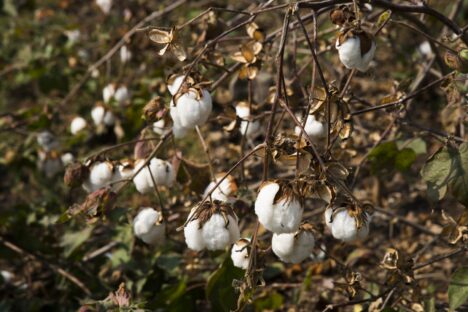
Better Cotton Initiative – Field Level
Transition to sustainable cotton production with USB Certification and Better Cotton Initiative field-level audits. Contact…
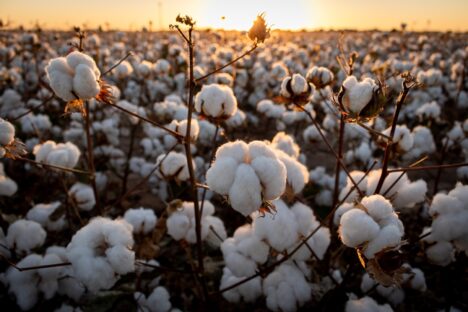
Cotton Consumption Measurements
Validate your cotton consumption measurements in accordance with BCI standards. Contact us today to achieve…
Better Cotton Initiative
USB Certification offers Better Cotton Initiative Chain of Custody verification services. Contact us for sustainable…