Global Responsible Textile Standard (GRTS)
An international standard that extends the GOTS certification program to cover a broader range of fibers certified according to recognized fiber production standards. The same environmental, chemical, and social requirements apply to responsible non-organic fibers as well.

What Is the Global Responsible Textile Standard (GRTS)?
GRTS is a voluntary sustainability standard developed by Global Standards. It certifies products manufactured using fibers certified according to third-party standards recognized under the GRTS framework.
It establishes defined and rigorous requirements in the areas of environmental and chemical management, human rights, social and business conduct, and traceability throughout textile processing and production. GRTS products must contain at least 90% recognized responsible fibers.
Standard Owner: Global Standards gGmbH
It is a Germany-based nonprofit organization that owns GOTS and GRTS. Both voluntary sustainability standards are developed and managed by the same organization.
What Does It Cover?
It establishes defined and rigorous requirements for environmental and chemical management, human rights, social and business conduct, and traceability throughout the textile processing and manufacturing process.
Fiber Basis
GRTS does not establish its own fiber production standards. It accepts fibers that meet the fiber eligibility criteria and are certified according to third-party standards recognized by GRTS.
One Organization. Two Standards. Different Claims.
Discover how GRTS extends the GOTS certification program.
Contact USB Certification for GRTS Certification
As a GOTS-approved and IOAS-accredited certification body, we issue GRTS Scope Certificates and Transaction Certificates. Add GRTS to your existing GOTS audit or apply from scratch.
Which Fibers Can Be Used in GRTS?
ELIGIBLE FIBER CATEGORIESGRTS does not establish its own fiber production standards. It accepts fibers that meet the fiber eligibility criteria and are certified according to third-party standards recognized by GRTS. Certified fiber content is physically tracked throughout the relevant processing and trading stages, and quantities are verified through volume reconciliation.
Plant Fibers
Cotton, linen, hemp, and other natural plant fibers.
Animal Fibers
Wool, cashmere, mohair, alpaca, and other animal-derived fibers; animal welfare requirements apply.

Regenerated Cellulosic Fibers
Man-made cellulosic fibers derived from responsibly managed forests that meet defined production criteria.
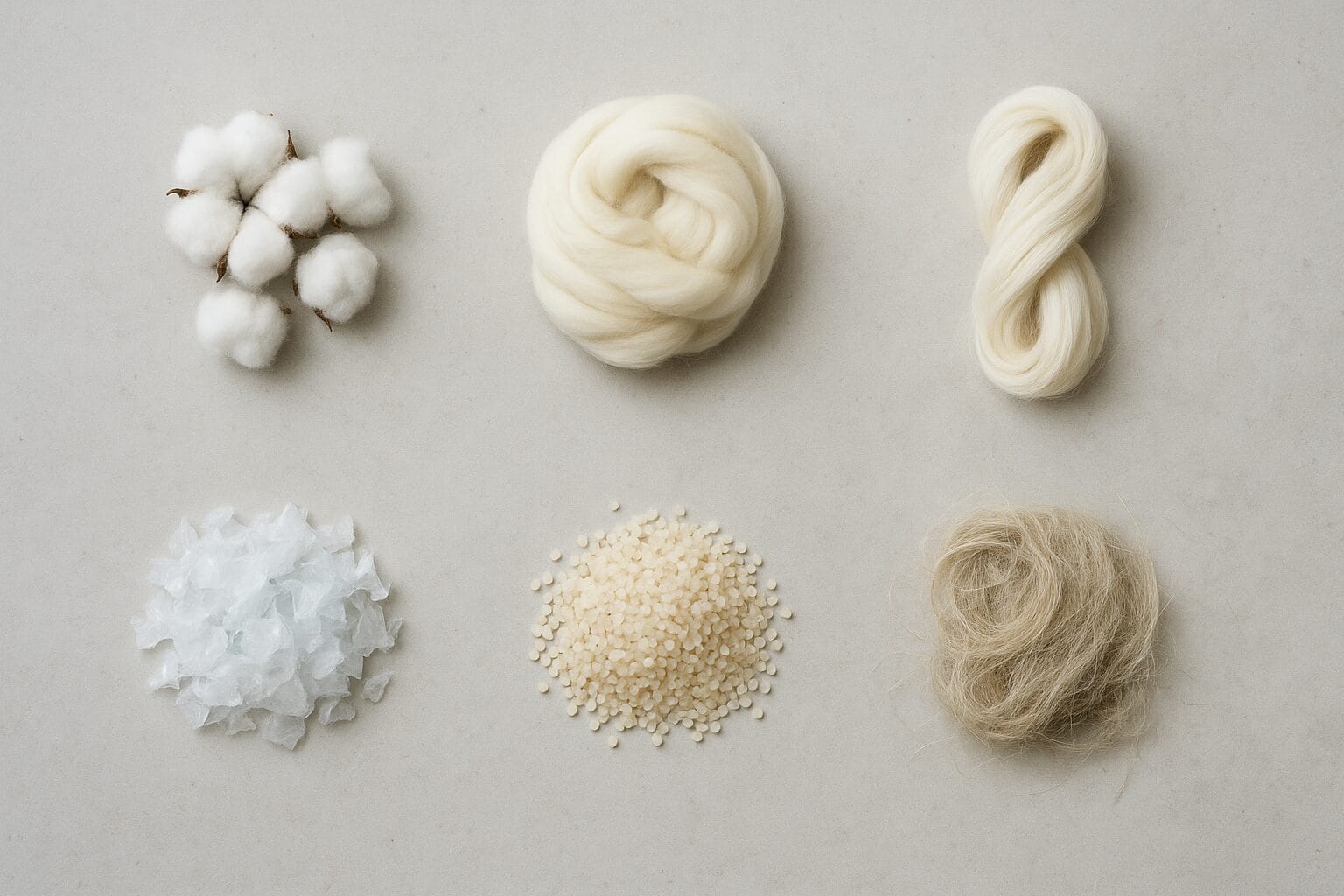

Recycled Fibers
Recycled natural and synthetic fibers certified according to recognized recycling standards.
Biopolymers
Bio-based polymer fibers that meet responsible sourcing and defined environmental requirements.

Organic and In-Conversion Fibers
Certified organic and organic-in-conversion fibers, provided they remain below the GOTS threshold (less than 70%).
How Is a VSS (Voluntary Sustainability Standard) Recognized?
For a fiber production standard to be recognized under GRTS, it must meet the fiber eligibility criteria defined by Global Standards.
Organizations may submit an application, accompanied by supporting documentation demonstrating that new fiber or fiber production standards meet the requirements for inclusion in GRTS. The process is open to the evaluation of new fiber standards and innovations over time.
Physical Chain of Custody
Certified fiber is kept physically separate throughout the supply chain; identity-preserved traceability is verified through Transaction Certificates (TC).
Independent Third-Party Certification
Fibers must be certified by a third-party certification body independent of the standard owner.
GMO Ban
Genetically modified organisms (GMOs) and fibers derived from them are not accepted; this includes GMO cotton.
Animal Welfare
Animal welfare requirements apply to animal fibers; mulesing (removal of wool-bearing skin strips from a sheep’s breech area) is prohibited.
GRTS Fiber Ratio Rules
WHICH FIBERS, IN WHAT PROPORTIONS?GRTS products must contain at least 90% certified fiber in accordance with recognized fiber production standards. Certified organic and organic-in-conversion fibers may be used, provided they account for less than 70% of the total fiber content.
At Least 90% Responsible Fiber
At least 90% of the fiber content in GRTS products must be certified in accordance with the fiber production standards recognized by GRTS.
Organic Fiber Less Than 70%
Certified organic and organic-in-conversion fibers may be used; however, they must account for less than 70% of the total fiber content. This threshold clearly defines the distinction between GOTS and GRTS.
Up to 10% Additional Fiber
Where essential for the product’s technical or functional requirements, specified additional fibers are permitted up to a total of 10%.
Blends Are Permitted
Blends of different responsible fibers are permitted, provided that at least 90% of the fiber content is recognized responsible fiber and additional fibers do not exceed the 10% limit.
Prohibited Fibers Under GRTS
The following fibers and fiber blends cannot be used in GRTS-certified products because they do not meet the GRTS fiber eligibility requirements or fall within the scope of GOTS.
Blended products are eligible under GRTS, provided that at least 90% of the fiber content is recognized responsible fiber and additional fibers do not exceed the 10% limit.

Uncertified Fibers
Fibers that are not certified to a recognized fiber production standard (excluding the 10% additional fiber allowance).

GMO Fibers
Genetically modified fibers, including GMO cotton.
Fibers That Do Not Meet Pesticide Standards
Fibers that do not meet GRTS’s applicable pesticide requirements.
Fibers That Violate Animal Welfare Standards
Animal fibers that do not meet animal welfare requirements; for example, wool from sheep that have undergone mulesing.

Fibers Tracked Only Through Mass Balance
Fibers that cannot be physically traced and are tracked solely using the mass balance method.
The Difference Between GOTS and GRTS
Different starting points, same processing requirements. The table below summarizes the common and differing aspects of the two standards.
| Criterion | GOTS | GRTS |
|---|---|---|
| Fiber base | Certified organic fibers | Fibers certified according to recognized fiber production standards (at least 90%) |
| Organic / In-Conversion Fiber Ratio | At least 70% | Less than 70% (<70%) |
| Processing requirements | Same: chemical management, environmental management, human rights and social criteria, due diligence | |
| Traceability | Same: physical traceability and volume reconciliation throughout the supply chain | |
| Audit | The same system; annual audits for both standards; the audits can be combined | |
| Prerequisite | No; GOTS is not a prerequisite for GRTS; they can be obtained separately. | |
| Label | Different labels and claims; a product bears the label of only one standard | |
Who Should Be Certified?
GRTS VALUE CHAINEvery business involved in the processing and trade of GRTS-certified products must be certified. This covers the entire textile value chain, from the first processing of the fiber (e.g. ginning, wool scouring) through spinning, weaving and knitting, wet processing and garment manufacturing, as well as trade activities, including those of importers and exporters.
Yarn Spinning
Yarn production and all related processes are covered by the certification.
Weaving and Knitting
The stages of fabric production require a GRTS Scope Certificate.
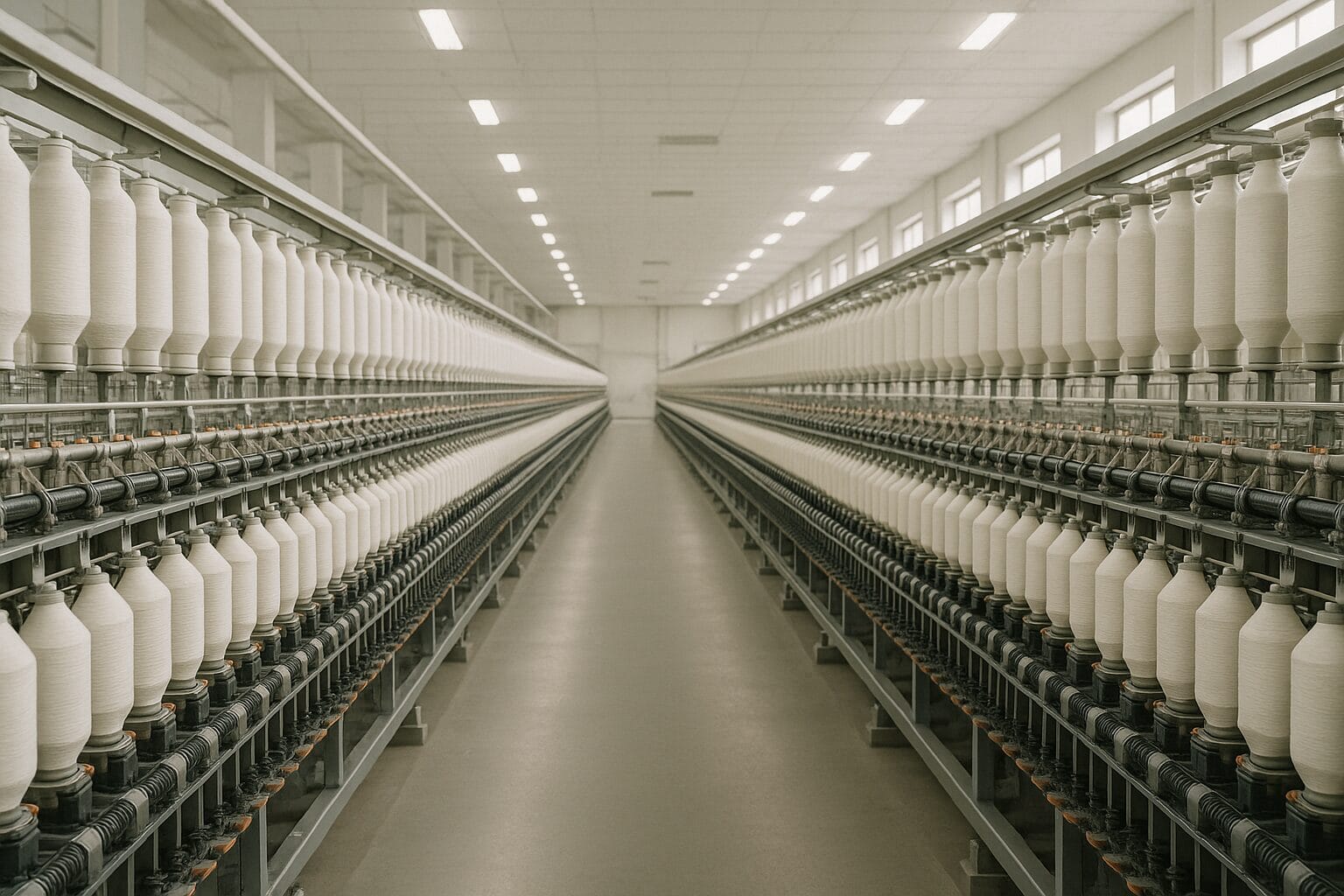
Wet Processing
Pre-treatment, dyeing, printing, and finishing processes; chemical and wastewater requirements are applied here.
Apparel and Manufacturing
Production of ready-to-wear clothing, home textiles, and other finished goods.

Trade
B2B trade activities, including those involving importers and exporters, must also be certified.
Key Features of GRTS Certification
Recognized Fiber Production Standards
Only fibers certified according to standards accepted under the GRTS Fiber Assessment Framework may be used.
Defined Processing Requirements
Clear and verifiable requirements for all processing stages.
Physical Traceability
Identity-preserved physical traceability throughout the supply chain.
Social Requirements
ILO-based human rights and social criteria.
Environmental Criteria
Environmental management, wastewater, emissions, and resource efficiency requirements.
Chemical Requirements
Approved input lists and product residue limits.
Due Diligence
An OECD-based due diligence management process.
Volume Reconciliation
A quantity reconciliation is performed to verify the flow of certified materials.
Independent Third-Party Verification
Independent auditing and certification by accredited certification bodies.
GOTS-Aligned Certification
The same certification approach as GOTS; audits can be combined.
Why GRTS?
GRTS is built upon the GOTS certification approach and covers a broader range of eligible fibers. Compliance with GRTS requirements for products containing recycled materials, regenerated cellulosic fibers, or other eligible fiber types is independently assessed and certified by accredited third-party certification bodies.
As a GOTS-approved and IOAS-accredited certification body, USB Certification offers textile sustainability standards—including GOTS, GRS, RCS, OCS, RWS, and RMS—all under one roof. We combine your existing GOTS audit with GRTS, assess the eligibility of your fiber sourcing, and finalize your labeling approvals. With our team of experts, we’re by your side every step of the way—from the application process through the audit to obtaining certification. Contact us today to learn more and take advantage of our services.
– Full Supply Chain Certification
GRTS covers the entire textile supply chain, from the initial processing of eligible fiber inputs to the labeled final product. It provides physical traceability, independent third-party certification, and verifiable certification information.
– Reduce the Audit Burden
GRTS follows a certification approach aligned with GOTS. For GOTS-certified businesses, GRTS certification is a straightforward process; annual audits are required for both standards, but the audits are conducted jointly to avoid duplication. Additional effort is generally limited to issuing or updating the Scope Certificate and implementing GRTS labeling requirements.
– Regulatory Preparedness
It supports future ESPR requirements by enabling the certification of products containing recycled and other eligible fiber blends, and supports the traceability systems and data collection needed for the Digital Product Passport.
– Support Product Innovation
It allows for the use of higher proportions of recycled and other eligible fibers while maintaining certification requirements.
– Expand Your Selection of Certified Fibers
Respond to changing market needs with eligible recycled fiber products and supply chain transparency; certify your non-organic product lines under one roof as well.
Step by Step: How to Get a GRTS Certificate?
GRTS certification is conducted by approved, independent third-party certification bodies responsible for on-site inspections and certification activities. The process consists of six steps.
Apply Now for the GRTS Certificate
Contact us for an audit plan and quote tailored to your needs. If you have GOTS certification, you can add GRTS to your next audit.
Documents
Frequently Asked Questions
Check Our Other Services
GOTS – Global Organic Textile Standard
USB Certification and GOTS certification services. We offer sustainable solutions for your organic textile products.…

Global Organic Textile Standard (GOTS)
Certify your organic textile production to global standards with GOTS certification. Apply now for your…

Textile and Recycling Certification
USB Certification offers textile and recycling certification services. Contact our team of experts to learn…
Textile Exchange
Obtain USB Certification and Textile Exchange certification. Validate your claims regarding organic, recycled, and responsibly…
You may be interested in these topics (Newsletter & News)

GRTS: A New Global Standard for Responsible Textiles
USB Certification offers GRTS certification, a new global standard for textile industry responsibility. Contact us…

Global Standards Launches GRTS, Covering a Broader Range of…
Show environmental & social responsibility in textiles with GRTS. Step toward sustainability with a wide…

Global Standard Announces Comprehensive Sustainability Stand…
Global Standard introduces a comprehensive sustainability standard for textiles. Get certified based on environmental and…
GRTS Takes Its First Steps in Türkiye: Veritas Tekstil Certi…
Achieve sustainability in the textile industry with GRTS certification. Apply now with USB Certification’s expertise!