With the introduction of mandatory separate collection of textile waste across European Union member states, the management of textile waste has become increasingly important. Beyond collection, however, how these waste streams are recycled and reused remains a critical challenge. Researchers are now proposing an innovative and environmentally friendly solution: growing mushrooms on textile waste.
Scientific studies conducted in Latvia are exploring alternative ways to recover value from post-consumer textile waste, particularly waste generated by fast fashion that is difficult to sort and recycle through conventional methods. Among the options examined, the biological transformation of textile waste using mushrooms stands out as one of the most promising approaches from both environmental and economic perspectives.
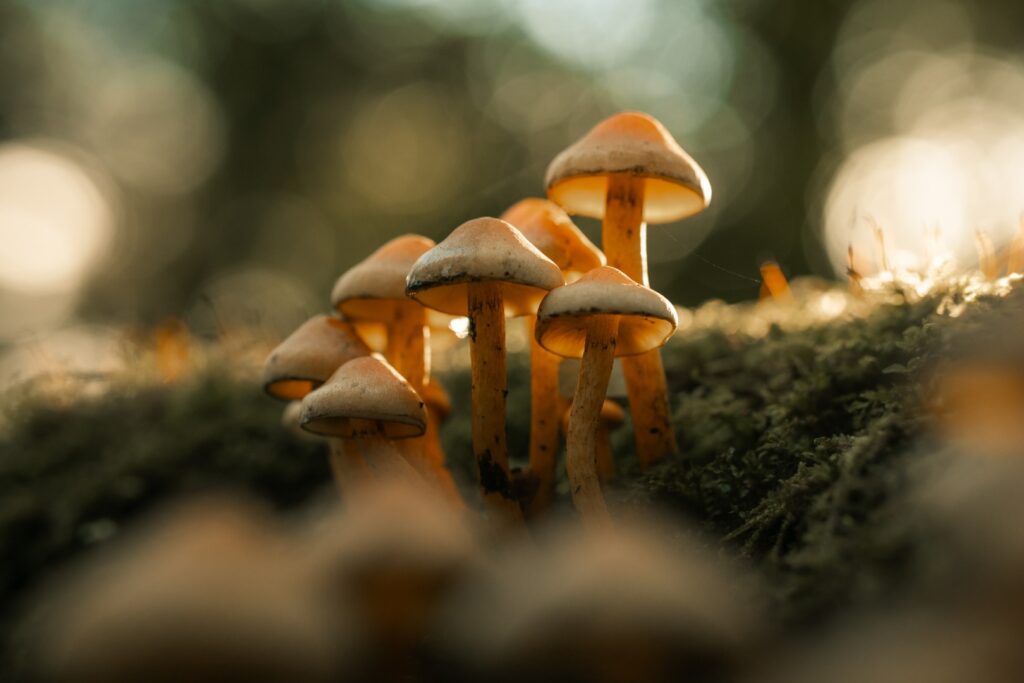
In this method, specific mushroom species are cultivated on recycled textile waste to produce mushroom-based composite materials. These bio-based composites can be used as insulation materials, offering low-carbon and environmentally friendly alternatives that have the potential to improve energy efficiency in buildings.
The research also assessed other recycling pathways, including converting textile waste into chemical feedstocks, producing textile-reinforced composites for construction, and recycling fibers back into new fibers. However, current evaluations indicate that mushroom-based solutions offer the greatest potential in terms of environmental benefits, feasibility, and scalability.
This innovative approach aligns with the European Union’s sustainable and circular textiles strategy, presenting an alternative model for transforming textile waste from a disposal problem into valuable new products. While not yet widely commercialized, such bio-based solutions are expected to play an important role in supporting the textile sector’s transition toward a circular economy.