Axens, IFPEN (IFP Energies Nouvelles), and JEPLAN announced in a joint statement on 21 April 2026 that the Rewind PET technology has been successfully validated at industrial scale for textile-to-textile chemical recycling. Several tens of tons of polyester-rich post-consumer textile waste, collected and pre-processed in France, was processed at the JEPLAN facility in Japan and converted into BHET, the fundamental monomer used to produce 100 percent recycled polyester. This outcome demonstrates concretely that circular polyester production in the textile sector is feasible at industrial scale.
Conducted at a semi-industrial facility with an annual capacity of 1,000 tons, the test represents a comprehensive validation of Rewind PET technology, which has been proven and commercialised for PET packaging recycling, for textile applications. The material produced from the BHET monomer was transformed into yarn, fabric, and finished garments, completing a full textile-to-textile loop. The ability to convert post-consumer polyester-rich textile waste into purified monomer at scale signals that one of the most critical technical barriers in the sector has been overcome.
Within the licensing structure, IFPEN and JEPLAN granted Axens exclusive worldwide licensing rights for textile applications. This structure provides access through licensing to industrial stakeholders seeking to establish local or regional textile-to-textile recycling loops worldwide. Target markets include sportswear, home furnishings, and certain luxury product categories where polyester is used in controlled proportions. This licensing model enables local closed-loop production structures by reducing dependence on global supply chain-based waste flows.
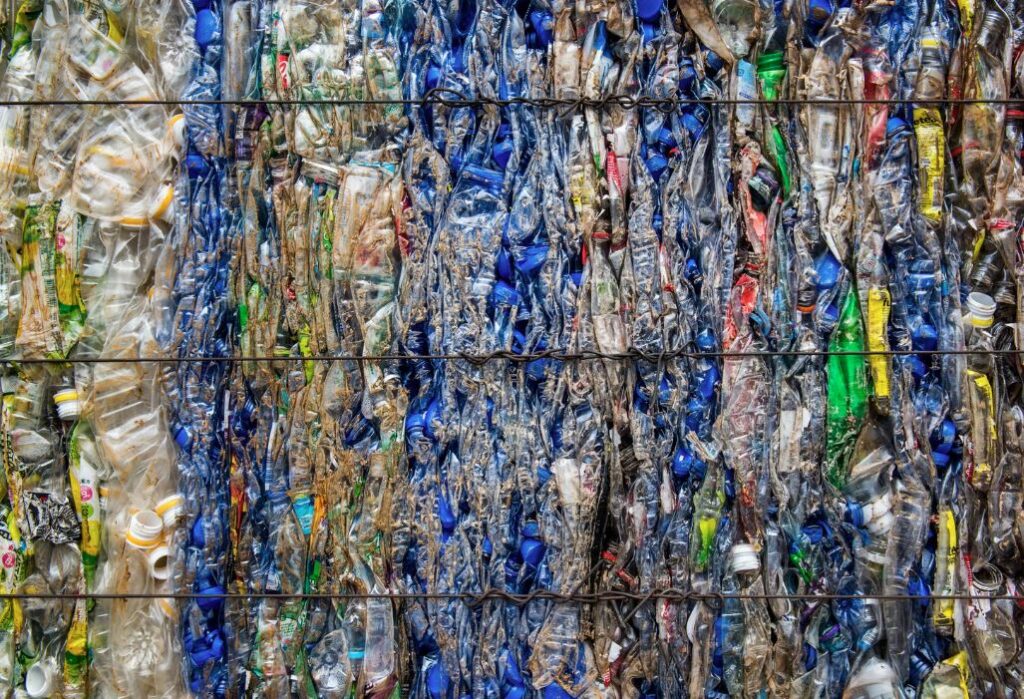
According to sector data, synthetic fibres account for approximately 60 percent of global textile production, with polyester representing one of the largest fibre categories. By contrast, currently less than 1 percent of textile production is based on fibres genuinely recycled from end-of-life garments; the majority of existing “recycled” polyester is obtained from PET bottles. Therefore, the industrially validated textile-to-textile loop represents a critical technological milestone for the sector in a new era shaped by the EU Textile Strategy and Extended Producer Responsibility (EPR) regulations.