Skip to content
Document Validation
USB Pruva
USB-LAB
EN
TR
FR
IT
Industries
Textile and Recycle
Food and Packaging
Agriculture
Informatics
Production
Logistics
Chemicals
Enviromental Science
Finance
Mining
Energy
Health
Textile and Recycle
Food and Packaging
Agriculture
Informatics
Production
Logistics
Chemicals
Enviromental Science
Finance
Mining
Energy
Health
Services
Textile and Recycling
Global Organic Textile Standard (GOTS)
Global Organic Textile Standard (SCOPE 4)
Global Recycled Standard (GRS)
Organic Content Standard (OCS)
Recycled Claim Standard (RCS)
Responsible Down Standard (RDS)
Responsible Wool Standard (RWS)
Responsible Mohair Standard (RMS)
Responsible Alpaca Standard (RAS)
GMO (Genetically Modified Organism) Free
Better Cotton Chain of Custody (CoC) Verification
Cotton Consumption Measurements
SFA Chain of Custody
EN 15343 & RETRAY
Food and Consumer Products
BRCGS Food Safety Standards
BRCGS Gluten-Free (GFCP)
BRCGS Plant – Based
BRCGS Start!
BRCGS Consumer Products Standard
BRCGS Packaging Standard
IFS (International Featured Standards)
IFS Progress Food ( IFS Global Market Food )
ISO 22000 Food Safety Management System
FSSC 22000 Food Safety System
Vegan Product
IFS ESG Check
Halal Certification
Management System
ISO 9001 QMS
ISO 14001 EMS
ISO 45001 OHSM
ISO 50001 EnMS
ISO 27001 ISMS
ISO 22301 BCMS
ISO 13485 Medical Devices
ISO 37001 Anti-bribery
ISO 10002 Customer Satisfaction
ISO 18295
ISO 20252
ISO 30000
ISO 28000
UDEM
Agriculture Certification
Organic Farming
Rainforest Alliance
Ministry of Agriculture and Forestry
Notified Body – CE
Proficiency Tests and Reference Material Provider
Laboratory
Regenevate
Industrial Certification
Easy Check
Inspection
Surveillance
Ministry Of Trade
EN 15343 & RETRAY
2nd Party Audits
Brand Audits
USB Academy
Cradle to Cradle®
Textile and Recycling
Global Organic Textile Standard (GOTS)
Global Organic Textile Standard (SCOPE 4)
Global Recycled Standard (GRS)
Organic Content Standard (OCS)
Recycled Claim Standard (RCS)
Responsible Down Standard (RDS)
Responsible Wool Standard (RWS)
Responsible Mohair Standard (RMS)
Responsible Alpaca Standard (RAS)
GMO (Genetically Modified Organism) Free
Regenevate
BCI Chain of Custody (CoC)
BCI Cotton Consumption Verification
SFA Chain of Custody
EN 15343 & RETRAY
Cradle to Cradle®
Food and Consumer Products
BRCGS Food Safety Standards
BRCGS Gluten-Free (GFCP)
BRCGS Plant – Based
BRCGS Start!
BRCGS Consumer Products Standard
IFS (International Featured Standards)
IFS Progress Food ( IFS Global Market Food )
IFS ESG Check
ISO 22000 Food Safety Management System
FSSC 22000 Food Safety System
Vegan Product
Halal Certification
Management System
ISO 9001 QMS
ISO 14001 EMS
ISO 45001 OHSM
ISO 50001 EnMS
ISO 27001 ISMS
ISO 22301 BCMS
ISO 13485 Medical Devices
ISO 37001 Anti-bribery
ISO 10002 Customer Satisfaction
ISO 18295
ISO 20252
ISO 30000
ISO 28000
Agriculture
Organic Farming
Rainforest Alliance
Regenevate
Industrial
Easy Check
Inspection
Surveillance
EN 15343 & RETRAY
Notified Body – CE
Laboratory
Proficiency Tests
USB Academy
2nd Party Audits
Brand Audits
Accreditations
IOAS
GOTS
Textile Exchange
SFA
Better Cotton
DAkkS
BRCGS
IFS
Pakistan Halal Authority (PHA)
TÜRKAK
Rainforest Alliance
IOAS
DAkkS
TÜRKAK
GOTS
Textile Exchange
Better Cotton
BRCGS
IFS
Pakistan Halal Authority (PHA)
Ministry of Agriculture and Forestry
Ministry Of Trade
RAINFOREST ALLIANCE
SFA
About
Company Profile
Our Philosophy and Values
Career Opportunities
Quality Policies
GDPR Policy
Ethical Values
Complaint and Appeal
USB Pruva
News and Announcements
Memberships
Partnerships
Representatives
Company Profile
Our Philosophy and Values
Career Opportunities
Quality Policies
GDPR Policy
Ethical Values
Complaint and Appeal
Memberships
Partnerships
News and Announcements
USB Pruva
Representatives
Application
Contact
X
Search
News and Announcements
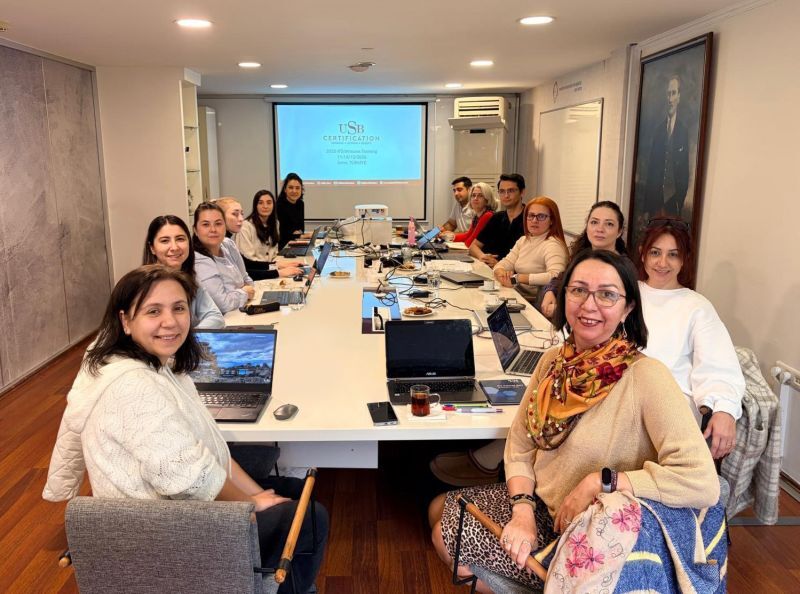
IFS In-house Training Successfully Completed
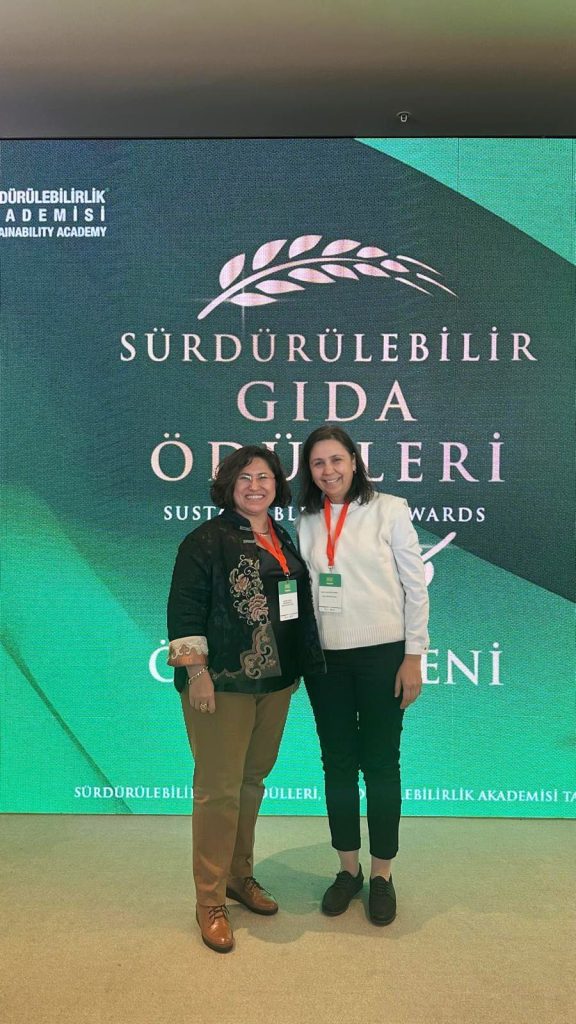
USB Certification was at the Sustainable Food Summit for ‘The Future of Food’
Infant Botulism Crisis in Baby Formula Grows in the US
PepsiCo and National Geographic Launch ‘Food for Tomorrow’ Initiative
USDA Takes New Step to Simplify Labelling Approval Processes
IOAS Launches Accreditation Services for the Better Cotton Initiative (BCI)
GOTS Launches the Global Standard Academy
COP30: A Critical Turning Point for Global Climate Action, Green Growth, and a Sustainable Future
Textile Exchange Officially Publishes the Materials Matter Standard
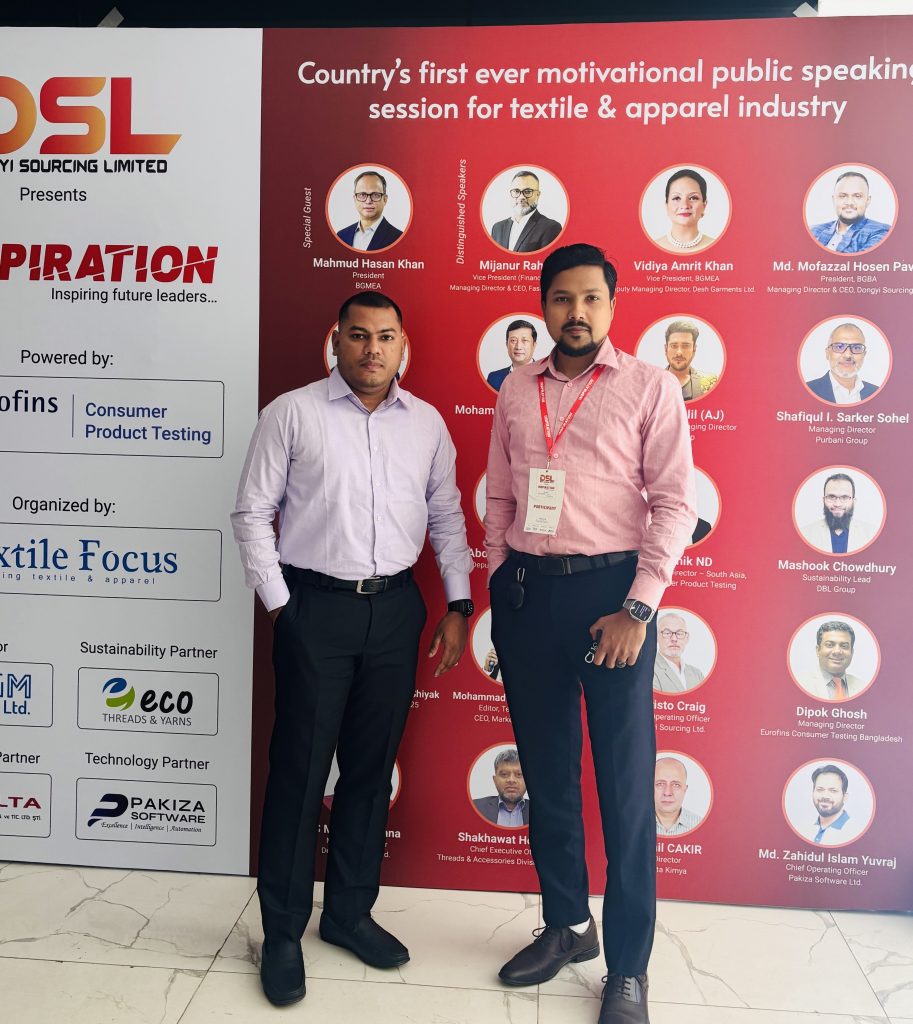
USB Certification Bangladesh Participates in the “Country First” Motivational Session
Previous
1
…
5
6
7
8
9
…
36
Load More
 Skip to content