Textile Exchange Publishes Cotton Life Cycle Assessment Study
Textile Exchange’s cotton LCA study examines environmental impacts and sustainable production systems. Click here for more information.
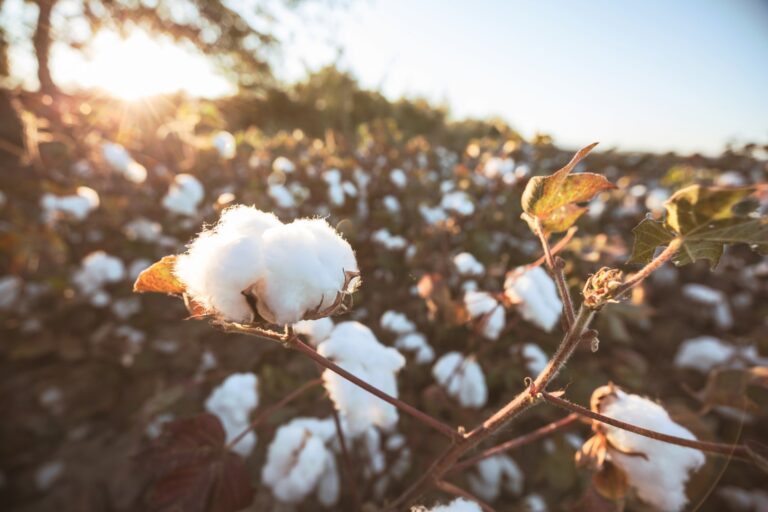
Textile Exchange published the first in a series of seven Life Cycle Assessment (LCA) studies on March 26, 2026, designed to improve the quality and robustness of environmental impact data for raw material production across the fashion, textile, and apparel industry. The first study focuses on cotton, addressing critical data gaps and methodology variability through new high-quality data across key producing countries. Covering organic, regenerative, recycled, and conventional cotton production systems, the study includes data from nine countries: Bangladesh, Brazil, China, India, Pakistan, Peru, Tanzania, Türkiye, and the USA.
All studies in the series take a holistic “LCA+” approach, looking at indicators beyond traditional LCA methodology to provide insights into areas such as biodiversity, soil health, animal welfare, and social impacts. The cotton LCA findings identify field emissions as the primary hotspot across most systems and countries, largely driven by nitrogen balance linked to synthetic fertilizer application. Practices associated with organic and regenerative systems were found to strengthen long-term soil resilience and reduce pressures on nature.
Cotton LCA data is planned for submission throughout 2026 to industry databases including Higg MSI, Ecoinvent, and WALDB. Subsequent studies covering polyester, cashmere, nylon, leather, wool, and mohair will be published throughout 2026 and 2027.
You may be interested in these topics (Newsletter & News)
Textile Exchange Publishes the First Comprehensive Life Cycl…
Textile Exchange has published the first comprehensive Life Cycle Assessment study on cashmere. Click here…

Textile Exchange, İşlenmemiş ve Geri Dönüştürülmüş Polyester…
Textile Exchange, polyesterin çevresel etkilerini değerlendiren yeni Yaşam Döngüsü Değerlendirmesi verilerini yayımladı. Detaylar için tıklayın.
Textile Exchange Publishes New Life Cycle Assessment Data fo…
Textile Exchange has published new Life Cycle Assessment data evaluating the environmental impacts of polyester.…
Earthsight: Better Cotton Initiative Action Plan Revision
Better Cotton Initiative's action plan responding to the Earthsight report. Discover the latest steps for…
Check Our Other Services
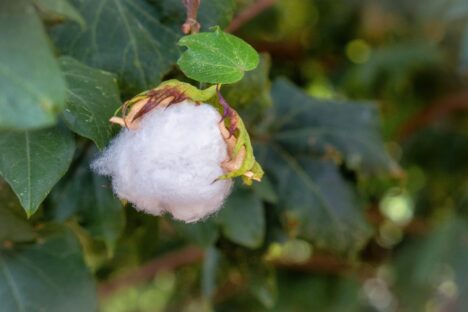
Better Cotton Initiative Chain of Custody (CoC)
Certify your sustainable cotton supply chain with Better Cotton Initiative CoC. Verify eco-responsible production with…
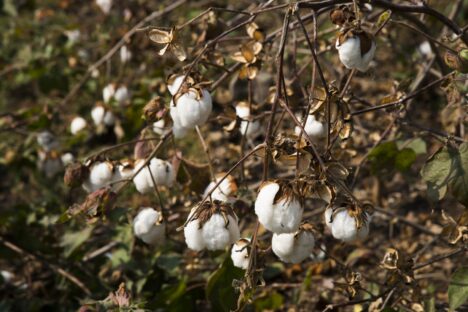
Better Cotton Initiative – Field Level
Transition to sustainable cotton production with USB Certification and Better Cotton Initiative field-level audits. Contact…
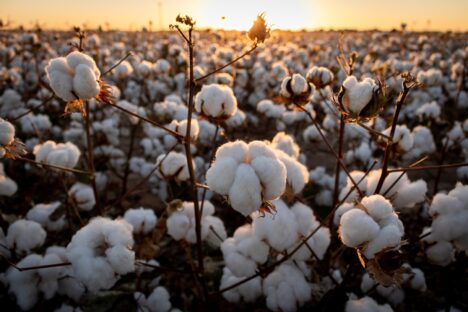
Cotton Consumption Measurements
Validate your cotton consumption measurements in accordance with BCI standards. Contact us today to achieve…
Better Cotton Initiative
USB Certification offers Better Cotton Initiative Chain of Custody verification services. Contact us for sustainable…