
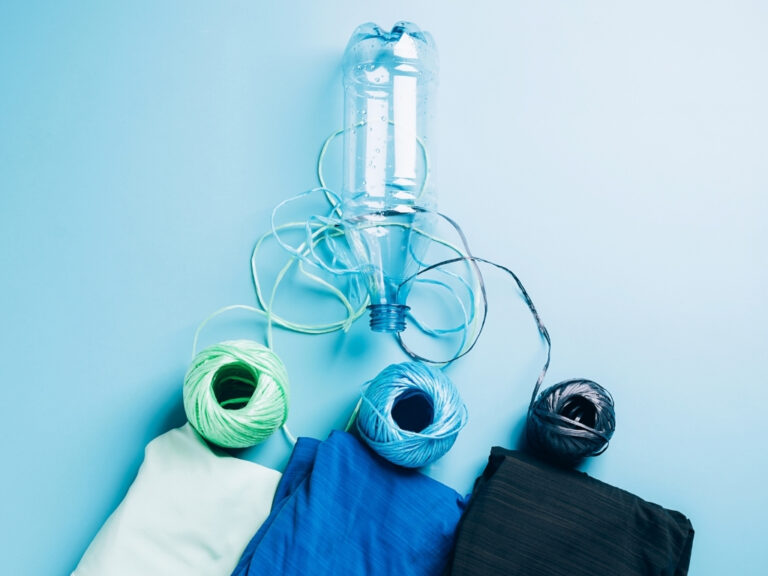
Textile Exchange Publishes New Life Cycle Assessment Data for Virgin and Recycled Polyester
Textile Exchange has published new Life Cycle Assessment data evaluating the environmental impacts of polyester. Click here for details.
On 11 June 2026, Textile Exchange and SCS Consulting Services published a new Life Cycle Assessment (LCA) study on the environmental impact of polyester. The study aims to close long-standing data gaps for polyester, the world’s most widely used fibre, and constitutes the second study in the organisation’s “LCA+” series, following the cotton study published in March 2026; further studies in the series will continue to be released throughout 2026 and 2027.
The study covers both virgin and recycled polyester, providing new publicly available data on virgin polyester production in Southeast Asia and on recycled polyester production (thermomechanical and chemical recycling) in China, Europe, and the United States. The fact that publicly available data has so far remained limited for virgin production in Asia, which accounts for more than half of the world’s polyester production, is one of the gaps the study addresses. The data, covering the 2022-2024 period, was collected from five PET producers; the study was completed in accordance with ISO 14044 and underwent a critical review by an independent expert panel.
According to the findings, in virgin PET production, the production of purified terephthalic acid (PTA) and the monoethylene glycol (MEG) used in polymerisation are the dominant contributors across all impact categories except freshwater ecotoxicity, while energy consumption is the second-largest factor in most categories. In the recycling pathways, electricity use stands out among the main sources of impact. The scenario analysis conducted as part of the study examines the role of steps such as better sorting technologies, the use of renewable energy, and reduced road transport in lowering environmental impacts. Textile Exchange’s LCA+ approach assesses not only environmental indicators but also the human rights impacts linked to production.
The data will be submitted to industry databases throughout 2026. Textile Exchange emphasises that the results should be interpreted within their limitations and that simplistic rankings or comparisons should not be made between studies or between production systems and regions.
You may be interested in these topics (Newsletter & News)

Textile Exchange, İşlenmemiş ve Geri Dönüştürülmüş Polyester…
Textile Exchange, polyesterin çevresel etkilerini değerlendiren yeni Yaşam Döngüsü Değerlendirmesi verilerini yayımladı. Detaylar için tıklayın.
Textile Exchange Publishes Cotton Life Cycle Assessment Stud…
Textile Exchange's cotton LCA study examines environmental impacts and sustainable production systems. Click here for…

Textile Exchange Publishes the First Comprehensive Life Cycl…
Textile Exchange has published the first comprehensive Life Cycle Assessment study on cashmere. Click here…
Textile Exchange Unveils Landmark Report on the Future of Sy…
Discover the sustainable textile transformation with Textile Exchange’s “The Future of Synthetics” report. Download it…
Check Our Other Services

Textiles and Recycling
Boost your competitive edge with sustainability certification for textiles and recycling. Contact us for export-recognized…
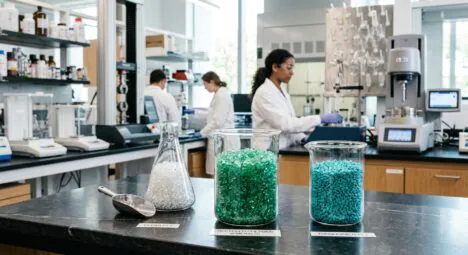
Plastic
Verify your recycled plastic content claims with EN 15343, GRS, and RecyClass. Have your samples…
Textile and Recycling Certification
USB Certification offers textile and recycling certification services. Contact our team of experts to learn…