
The European Commission Publishes the Forced Labour Regulation Implementation Guidelines
The EU Forced Labor Regulation implementation guidelines have been published. Turn to USB Certification’s expertise to manage your supply chain risks.
On 26 June 2026, the European Commission published its preparedness package for the EU Forced Labour Regulation and opened the Forced Labour Single Portal, which brings together all information and tools relating to the Regulation under one roof.
Adopted on 19 November 2024, the Regulation will, from 14 December 2027, prohibit the placing on the EU market and the export from the EU of products made with forced labour. The prohibition covers all products, with no distinction as to sector, country of origin, or company size. According to the figures referenced by the Commission on the portal, an estimated 27.6 million people worldwide are in situations of forced labour.
The published implementation guidelines explain the roles and obligations of competent authorities, customs administrations, and economic operators under the Regulation. The preparedness package also includes a provisional list of the Member States’ competent authorities, a preparedness checklist for SMEs, and resources to help identify supply chain risks. According to the implementation timeline on the portal, the Single Information Submission Point, through which suspected cases will be reported, will become available on 14 December 2027.
The Commission states that it will work with Member States, businesses, and civil society organisations during the preparation period leading up to the Regulation’s application. In this context, sector-focused information events have been planned for autumn 2026; on 20 October 2026, an online event dedicated specifically to the textile sector will address supply chain visibility and compliance strategies.
You may be interested in these topics (Newsletter & News)
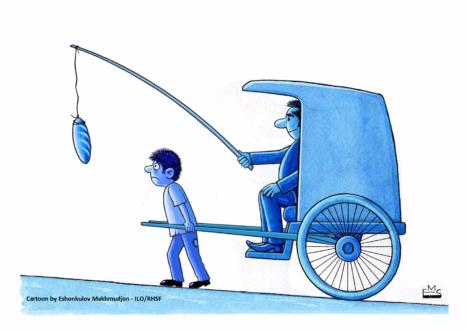
EU Takes a Stand Against Forced Labor Products!
EU's forced labor product ban starts a new era in ethical trade. USB Certification helps…

EU Regulation on Deforestation-Free Products to Take Effect
Comply with the EU Deforestation Regulation. USB Certification supports sustainable supply chains. Learn more.

PPWR Enters into Application, Draft on Producer Registers Op…
The EU PPWR Regulation has taken effect. Learn more about manufacturer registrations and packaging standards.…

European Commission launches consultation for upcoming Circu…
Learn about the consultation process for the EU Circular Economy Act. Explore details to contribute…
Check Our Other Services

Textile Digital Product Passport (DPP)
Ensure compliance with sustainability standards in the EU market with the Textile Digital Product Passport…

Textile Exchange Materials Matter Standard
USB Certification supports sustainable raw material production and processing, aligning with the Textile Exchange Materials…

PPWR Compliance: EU Packaging and Packaging Waste Regulation
Support for heavy metal and PFAS testing, recyclability assessments, technical dossiers, and the EU Declaration…